Owning a home with a traditional fireplace provides an unmatched sense of warmth, charm, and comfort during cold winter months, but it also carries significant responsibilities regarding home safety. While gathering around a crackling wood fire is a beloved tradition, the hidden flue system operating behind your walls requires regular, professional attention to function safely. Every time you burn wood, combustion byproducts travel up your chimney, leaving behind layers of residue that can accumulate and pose severe hazards to your property. Understanding how your fireplace system operates and why routine maintenance is vital serves as the foundation for keeping your household safe and warm.
Understanding the Hidden Dangers Inside Your Chimney
When wood burns inside a fireplace, it does not simply vanish into thin air. The smoke and hot gases rising through the flue carry various byproducts, including moisture, unburned wood particles, creosote, and soot. As these warm gases travel upward and make contact with the cooler interior walls of the chimney, they condense and leave behind a sticky, tar-like residue known as creosote.
Creosote accumulation is one of the primary causes of residential chimney fires, because the substance is highly combustible and can easily ignite when exposed to stray sparks or intense heat from a roaring fire. Over time, creosote builds up in multiple stages, progressing from a flaky black powder to a thick, glazed coating that is extremely difficult to remove without specialized industrial tools. In addition to creosote, chimneys are prone to other obstructions, such as leaves, twigs, bird nests, and animal debris, which can block the proper drafting of toxic gases like carbon monoxide back into your living space.
Recognizing the Signs That Your Fireplace Needs Immediate Service
Because the interior of a chimney flue is completely hidden from view, homeowners often fail to notice when maintenance is overdue. Fortunately, your fireplace and heating setup will usually display distinct warning signs indicating that a thorough inspection and professional cleaning are urgently required.
One of the most common indicators is a persistent smoky smell lingering in your living room, even when the fireplace is not currently in use. This odor typically intensifies during humid weather and indicates a heavy buildup of soot and creosote inside the flue. Another clear warning sign is poor drafting, where smoke billows back into the room instead of rising smoothly up and out of the chimney stack.
Physical inspection of the fireplace firebox can also reveal valuable insights. If you notice thick, black crust lining the damper or walls of the firebox, your chimney is likely heavily contaminated higher up the flue. Furthermore, looking up from the bottom with a flashlight might reveal visible blockages or shiny, tar-like deposits. If you hear scratching noises coming from inside the walls or chimney, animals may have built a nest inside the flue, creating a dangerous obstruction that requires immediate professional clearance.
What to Expect From Professional Chimney Maintenance
When it comes to addressing creosote buildup and structural chimney issues, attempting a do-it-yourself cleaning with standard hardware store brushes is rarely effective or safe. Homeowners lack the specialized reach, containment equipment, and industrial vacuums required to thoroughly scour a vertical masonry flue without covering their entire living room in toxic black soot. This is precisely why hiring experts for Certified Chimney Sweeping is essential for protecting your home and family.
A qualified team of professional technicians arrives equipped with specialized tools, drop cloths, and high-powered negative air vacuums to ensure your living space remains completely clean throughout the process. The service typically begins with a comprehensive safety inspection of both the interior firebox and the exterior chimney structure, checking for cracked mortar, damaged flue tiles, or compromised flashing.
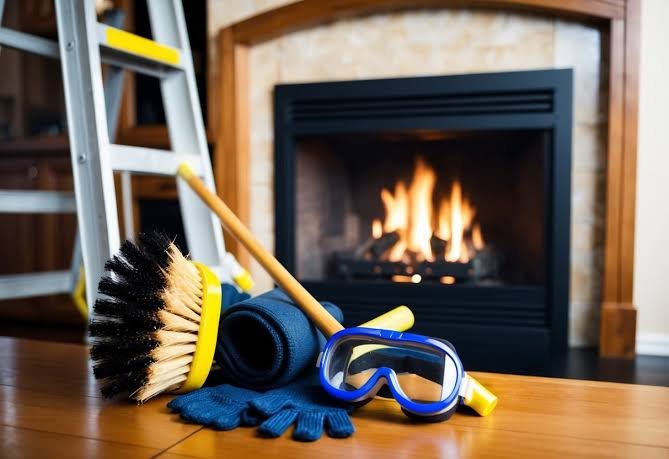
Once the assessment is complete, technicians seal off the fireplace opening with protective sheeting and attach a heavy-duty vacuum system to maintain negative pressure. Using specialized flexible rods and appropriately sized wire brushes that match the exact dimensions of your flue, technicians thoroughly scrub the interior walls from top to bottom, dislodging all accumulated soot and creosote. The loosened debris falls safely down into the firebox, where it is immediately captured by the industrial vacuum, leaving your chimney clean, clear, and fully prepared for safe burning.
The Critical Benefits of Regular Chimney Care
Investing in routine chimney maintenance offers profound advantages that extend far beyond simply keeping your fireplace looking neat. The primary benefit is absolute peace of mind regarding fire prevention, as removing volatile creosote drastically reduces the risk of an accidental chimney fire spreading to the framing of your roof.
Another major benefit is protecting your indoor air quality and health. A clean chimney drafts properly, ensuring that dangerous combustion gases, including odorless and deadly carbon monoxide, are safely vented outdoors rather than leaking into your bedrooms and living areas. Furthermore, regular inspections help catch minor structural issues, such as cracked crown seals or deteriorating brickwork, before they escalate into expensive emergency masonry repairs. Maintaining your chimney also maximizes heating efficiency, allowing your fireplace to radiate maximum warmth into your home without obstruction.
Best Practices for Safe Fireplace Operation Year Round
While professional sweeping provides a crucial annual reset for your fireplace system, practicing safe burning habits on a daily basis ensures your setup remains secure and efficient. Managing what you burn is the most important factor in minimizing hazardous creosote accumulation.
Always burn well-seasoned hardwoods, such as oak, maple, or birch, rather than softwoods, green wood, or pressure-treated lumber. Seasoned wood has been split and dried for at least six months, significantly lowering its moisture content and resulting in a cleaner, hotter burn that produces far less creosote. Avoid burning trash, gift wrap, or plastics, as these materials release toxic chemicals that can damage your flue lining and create hazardous fumes.
Installing a secure chimney cap with wire mesh screening is another vital protective measure, because it prevents rain, debris, and wildlife from entering your flue while still allowing smoke to escape freely. Finally, schedule your annual chimney inspection and cleaning before the cold weather arrives, ensuring your heating system is fully primed, safe, and ready to keep your family warm all winter long.