Indoor air quality plays a critical role in preserving both human health and building efficiency. While routine maintenance usually involves simple filter changes or superficial duct vacuuming, deep-seated micro-contaminants require a far more rigorous sanitization approach. Investing in professional HVAC decontamination neutralizes harmful biological agents, mold spores, and persistent pathogens that hide within your heating and cooling infrastructure. When your central air system receives thorough antimicrobial treatment, it stops recirculating microscopic hazards and delivers clean, healthy airflow to every room in your property.
Over time, moisture accumulation along cooling coils and deep within dark ductwork creates an ideal breeding ground for bacteria, fungus, and virus particles. Standard mechanical cleaning removes solid debris like dust and pet dander, but it leaves microscopic biological threats behind to multiply and spread. Understanding the science behind system-wide decontamination enables property owners to eliminate toxic contaminants, safeguard occupant health, and keep HVAC equipment running efficiently.
The Core Science Behind HVAC Decontamination
HVAC decontamination goes far beyond basic mechanical sweeping. It is an advanced, multi-step process designed to eradicate invisible biological organisms from internal heating and cooling surfaces.
Primary Contaminants Targeted During Decontamination
- Mold and Fungal Spores: Toxic black mold (Stachybotrys chartarum) and Aspergillus colonies thrive in dark, humid condensation pans and duct lines.
- Bacterial Pathogens: Airborne bacteria can multiply inside wet cooling coils and disperse whenever the system blower cycles on.
- Viral Matter: Microscopic viral particles settle on internal surfaces, posing continuous health risks to sensitive building occupants.
Key Takeaway: Mechanical duct cleaning removes visible dirt, but decontamination kills invisible microorganisms. Combining mechanical removal with EPA-registered antimicrobial solutions ensures complete biological eradication.
3 Critical Reasons Why You Need HVAC Decontamination
Eliminating bio-contaminants inside your ventilation system yields measurable health benefits, protects structural components, and lowers operational expenditures.
| Maintenance Level | Standard Dust Vacuuming | Comprehensive HVAC Decontamination |
| Visible Debris Removal | High (dust, lint, and dander) | High (dust, lint, and dander) |
| Microbial Eradication | None (spores remain active) | Complete (kills mold, bacteria, and viruses) |
| Odor Elimination | Temporary improvement | Permanent removal of musty organic odors |
| Air Quality Safety | Basic particulate reduction | Hospital-grade air sanitization |
| Equipment Protection | Minimal coil sanitization | Full coil, pan, and blower disinfection |
1. Eliminating Mold and Bacterial Growth
Dark, damp environments inside air handling units foster aggressive fungal growth. When mold takes root inside ductwork, it continuously releases microscopic spores directly into your living spaces. Deep sanitization utilizes specialized fogging treatments and EPA-approved disinfectants to destroy fungal roots and prevent re-growth.
2. Eradicating Persistent Organic Odors
Musty, stale odors that originate from supply vents are a clear indicator of active bacterial or mold contamination inside your air handler. Masking these smells with air fresheners only hides the underlying problem. Thorough disinfection destroys the organic source of the smell, restoring clean, odor-free air across all zones.
3. Restoring Maximum Mechanical Efficiency
Biological film on evaporator coils acts as an insulating barrier, preventing efficient heat transfer and choking system airflow:
- Restored Heat Transfer: Clean coil surfaces allow refrigerant to absorb heat rapidly without excess power draw.
- Reduced Blower Strain: Removing sticky mold layers from fan blades restores optimal aerodynamic lift and airflow volume.
- Prevented Drain Line Clogs: Sanitizing condensation pans stops algae slimes from blocking drain lines and causing water overflow damage.
How Professional HVAC Decontamination Works
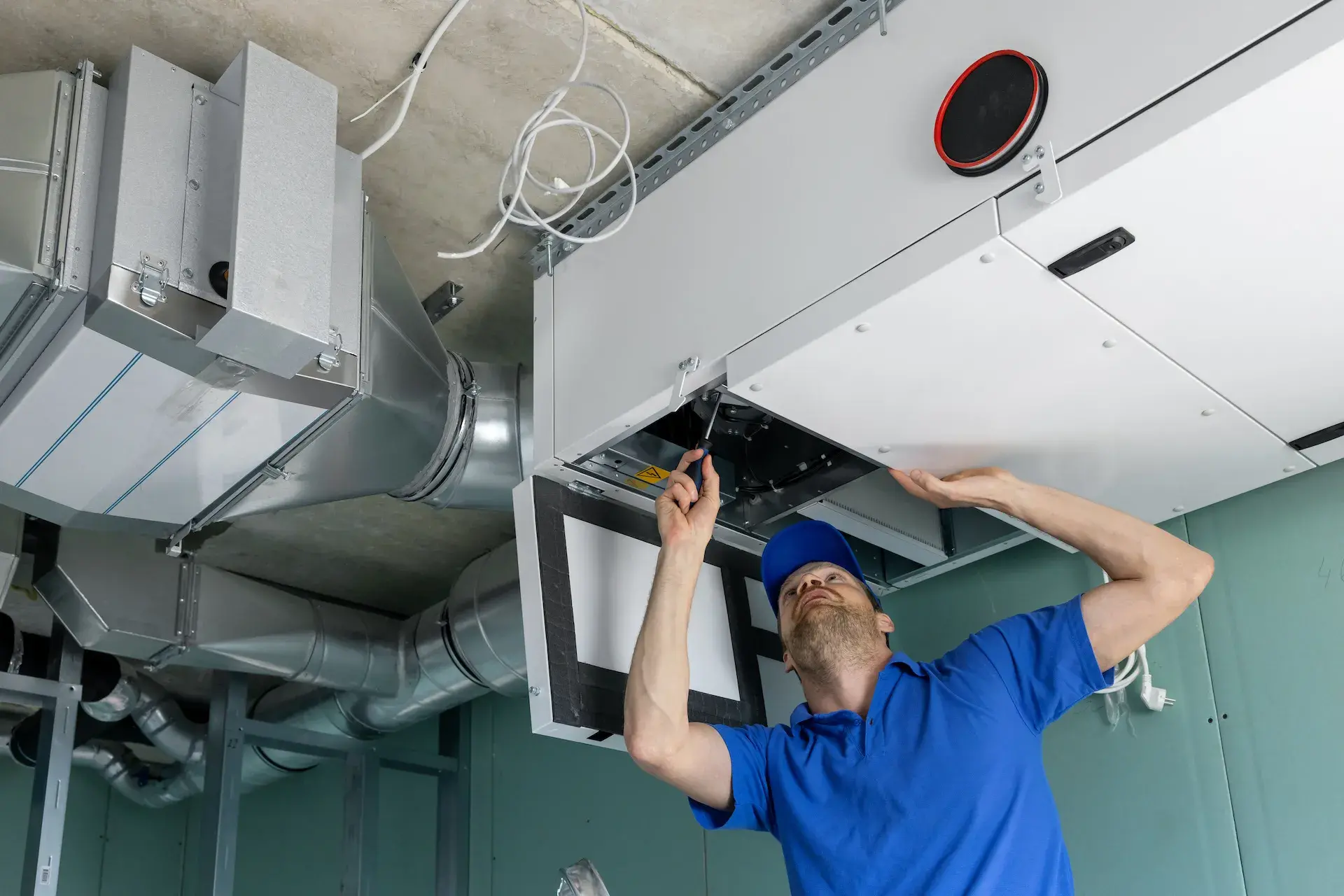
Executing a high-level system sanitization requires specialized equipment, safety protocols, and certified technicians. Professional teams carry out a systematic four-stage remediation process:
- Comprehensive System Inspection: Technicians utilize video boroscopes to locate hidden moisture pockets, mold colonies, and structural duct damage.
- High-Efficiency HEPA Vacuuming: Heavy-duty negative air pressure machines extract loose dust and particulate matter under negative pressure containment.
- Antimicrobial Fogging Application: Technicians apply EPA-registered disinfectants throughout duct walls, coils, and air handlers using ultra-low volume (ULV) foggers.
- UV Light System Integration: Installing germicidal ultraviolet (UV-C) lights near cooling coils provides continuous sanitization to prevent future microbial growth.
Pro Tip: Always verify that your service provider uses EPA-registered antimicrobial products designed specifically for HVAC applications. Non-approved chemicals can corrode internal metals or release volatile gases into your home.
When Should You Decontaminate Your HVAC System?
While routine filter changes happen every few months, deep biological decontamination is recommended when specific environmental risk factors emerge.
Key Triggers for Immediate Decontamination
- Visible Mold Growth: If you spot dark spots around supply registers, return grilles, or inside the air handler unit.
- Following Water or Flood Damage: Leaky roofs, burst pipes, or plumbing overflows introduce moisture that triggers rapid mold growth within 24 to 48 hours.
- Post-Renovation Clean-Up: Construction dust mixed with elevated indoor humidity creates a nutrient-rich baseline for fungal spores to bloom.
- Persistent Unexplained Illness: If occupants experience chronic respiratory irritation, unexplained allergies, or headaches that improve when leaving the building.
Long-Term Health and Financial Dividends
Investing in comprehensive ventilation hygiene delivers immediate health dividends while extending the operational lifespan of expensive mechanical equipment.
Cleaner airflow reduces trigger factors for individuals living with asthma, seasonal allergies, or compromised immune systems. From an economic perspective, operating a clean, sanitized heat exchanger reduces monthly energy consumption by preventing system drag and avoiding premature compressor failures.
Protect Your Environment with Expert HVAC Decontamination
Maintaining a clean heating and cooling system is vital for establishing a healthy, energy-efficient indoor environment. By destroying microscopic mold, bacteria, and viral pathogens at the source, deep system sanitization protects your family or workforce from airborne health hazards while optimizing mechanical performance. Schedule a professional HVAC evaluation today to eliminate hidden contaminants and enjoy fresh, purified air throughout your building.