Hot water is one of those everyday comforts most people barely think about until it disappears. A cold shower on a winter morning or a kitchen tap that takes forever to deliver warm water can quickly turn into a frustrating start to the day. Yet choosing a water heating system involves more than finding a unit that fits the available space. Household size, energy costs, maintenance needs, and the quality of the water entering the home all deserve consideration.
The good news is that today’s homeowners have several options. Some systems focus on heating water efficiently, while others help address mineral buildup and other water quality concerns. Understanding how these solutions work makes it easier to choose equipment that suits your home, budget, and daily routine.
Understanding Your Household’s Hot Water Needs
Before comparing equipment, think about how your household actually uses hot water. A family of five may run showers, a dishwasher, and a washing machine within the same hour. Someone living alone in a smaller apartment will probably have a very different demand.
Peak usage matters because a system that performs well during quiet periods may struggle when several fixtures operate at once. Consider the number of bathrooms, the frequency of laundry, and whether multiple people tend to shower around the same time. These details help determine the capacity or heating output you need.
It’s also worth looking beyond the purchase price. Installation expenses, energy consumption, routine servicing, and the expected lifespan all affect the total cost of ownership. A less expensive unit may not be the best bargain if it requires frequent repairs or uses substantially more energy over the years.
How Tankless Water Heaters Work
Traditional water heating systems store a supply of heated water in an insulated tank. A tankless system takes a different approach, heating water as it passes through the unit when a hot water tap or appliance calls for it.
For households interested in this arrangement, tankless water heaters can offer several advantages. Because they don’t maintain a large tank of hot water throughout the day, they can reduce standby heat loss. Their compact design may also free up valuable space in a utility room, garage, or basement.
However, tankless systems aren’t automatically the right choice for every property. Their ability to supply hot water depends on the unit’s heating capacity and the incoming water temperature. If several fixtures demand large amounts of hot water simultaneously, a single unit may struggle unless it has been properly sized for that workload.
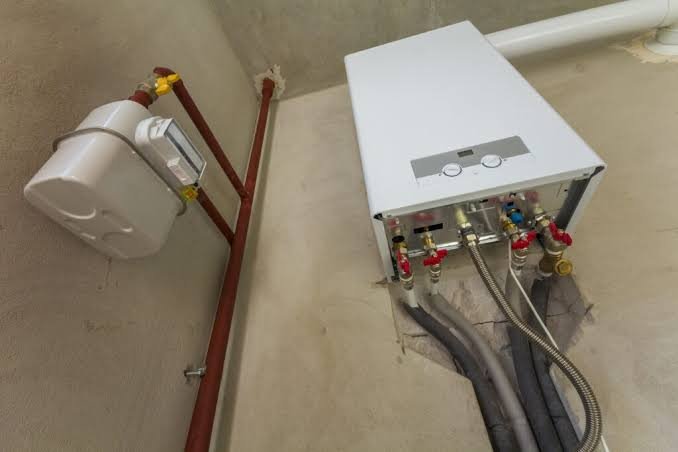
Installation requirements also deserve attention. Depending on the model, a home may need suitable gas supply lines, electrical capacity, or venting changes. These adjustments can add to the initial cost, so a professional assessment is worthwhile before making a decision.
Maintenance remains important as well. In areas with hard water, mineral deposits can accumulate inside the heat exchanger and reduce performance. Following the manufacturer’s service recommendations helps protect efficiency and supports a longer working life.
When a Conventional System Makes Sense
Despite the growing interest in newer technologies, storage-based systems remain a practical option for many households. They are widely available, familiar to most plumbers, and come in a range of capacities and energy types.
Conventional water heaters store heated water in a tank, making a ready supply available when someone turns on a hot water tap. The amount available at once depends on the tank’s capacity and how quickly the system can heat additional water. Once the stored supply is depleted, the household may need to wait for recovery.
For homeowners replacing an existing tank system, a similar replacement may involve fewer installation changes than switching to a different technology. That can make the project simpler and sometimes more affordable, although the condition of the current plumbing, venting, and energy connections still needs to be checked.
Tank size is particularly important. A tank that’s too small may leave family members waiting between showers, while an unnecessarily large unit may waste space and energy. A qualified installer can assess household demand and recommend a suitable capacity.
Homeowners should also compare fuel options, energy efficiency ratings, warranty coverage, and local installation requirements. A well-selected storage heater can provide dependable service for years when it is installed correctly and maintained according to the manufacturer’s guidance.
Why Water Quality Deserves Equal Attention
Heating equipment is only one part of a home’s water system. The water itself can influence how plumbing fixtures look, how appliances perform, and how much maintenance certain systems require.
Hard water contains dissolved minerals, particularly calcium and magnesium. These minerals can leave chalky deposits on showerheads, faucets, glassware, and the inside of some plumbing equipment. You may notice white spots on dishes, stiff laundry, or a crusty ring around a frequently used tap.
These signs don’t necessarily mean the water is unsafe to drink. Hardness is primarily an aesthetic and operational concern, though its effects can become expensive when scale accumulates inside water-using appliances. Water quality testing helps identify the issue rather than relying on guesswork.
Other concerns, such as iron staining, unpleasant odors, or sediment, may have different causes and require different treatment methods. That’s why it helps to understand what is actually present in the water before purchasing equipment.
The Role of Water Softeners
When hard water causes persistent scale, a treatment system may help reduce the problem. Traditional ion-exchange water softeners work by replacing calcium and magnesium ions with sodium or potassium ions. This process lowers water hardness and can help reduce mineral deposits on fixtures and within water-using equipment.
For many households, the practical benefits are easy to notice. Faucets may be easier to clean, soap can lather more readily, and less scale may accumulate on shower surfaces. Appliances that use heated water can also benefit from reduced hardness-related buildup, although actual results depend on the water chemistry, equipment design, and maintenance.
A softener isn’t a universal water purifier, however. It does not automatically remove bacteria, pesticides, or every other possible contaminant. If the concern involves drinking water safety, testing and treatment should be chosen according to the specific issue.
Salt-based softeners also need periodic attention. Owners generally need to replenish the regeneration salt, keep the system clean, and check that it is operating as intended. Households concerned about sodium intake or environmental discharge should discuss suitable options with a qualified water treatment professional.
Bringing Heating and Treatment Together
Water heating and water treatment often work best when they’re considered as parts of the same household system. For example, a home with significant hardness may benefit from treating the incoming water before it reaches a new heater, provided the selected treatment method is appropriate for the water chemistry and equipment.
This doesn’t mean every home needs a softener. If the water is already relatively soft, adding one may provide little benefit. Likewise, a tankless heater may not be necessary for a household whose existing storage system meets its needs comfortably.
A sensible starting point is to review energy usage, inspect the current equipment, and arrange water testing if hardness or other quality problems are suspected. From there, homeowners can compare options based on performance, installation cost, maintenance, and long-term operating expenses.
Making a Practical Long-Term Choice
The best home water setup isn’t necessarily the newest or most expensive one. It’s the system that reliably meets your household’s needs without creating unnecessary costs or maintenance headaches.
Take time to understand your hot water demand, the condition of your plumbing, and the characteristics of your water supply. Ask installers about sizing, warranty conditions, servicing requirements, and any modifications needed before work begins. A little research now can prevent a frustrating surprise later.
Hot water and clean-feeling water may seem like small details, but they shape everyday life in ways we notice when something goes wrong. Choosing suitable equipment and looking after it properly can make those daily routines more comfortable, efficient, and predictable for years to come.