People spend months thinking about flooring, kitchen cabinets, paint colours, and furniture layouts. But oddly enough, the front door — the very first thing anyone notices — often becomes an afterthought until the last minute.
That’s starting to change, though.
Homeowners today are paying closer attention to entrances because they’ve realized something simple: a front door shapes the entire mood of a house before anyone even steps inside. It sets expectations. Warm and traditional, bold and modern, quiet and elegant — the entrance says all of that without speaking.
And honestly, the difference between an average entryway and a memorable one usually comes down to choosing the right door style for the home itself.
The Entrance Is More Emotional Than We Think
There’s something personal about walking through your own front door after a long day. It sounds dramatic, maybe, but it’s true. That moment matters. You notice how the handle feels in your hand. The sound the door makes closing behind you. The way sunlight comes through the glass in the evening.
Those tiny details stick with people more than they expect.
That’s why entry doors have become less about pure function and more about experience. Security and durability still matter, obviously, but homeowners also want something that reflects their taste instead of looking like every other house on the block.
Iron doors, especially, have carved out a strong place in modern home design because they balance both worlds so naturally — strength and beauty working together instead of competing.
Why Larger Entrances Feel So Inviting
There’s a reason luxury homes often feature oversized entryways. Wide entrances create breathing room. They feel welcoming without trying too hard.
For larger homes or properties with dramatic architecture, double iron doors tend to create that kind of effect beautifully. The symmetry alone adds presence. Even before guests enter, the home feels more open and intentional.
What surprises many people is how versatile these doors have become. They’re no longer limited to ornate, old-world styles with heavy scrollwork everywhere. Some modern double-door designs are actually quite minimal — slim black frames, large glass panels, clean geometric lines.
The result feels sophisticated without becoming cold.
A neighbour near my cousin’s place recently renovated their entrance using matte black double iron doors with tall vertical glass inserts. Nothing flashy. But somehow the entire property suddenly looked more expensive and more relaxed at the same time. Funny how one architectural change can shift everything around it.
Smaller Spaces Can Still Make a Strong Impression
Not every house needs a grand entrance, though. In fact, forcing oversized doors onto smaller homes sometimes feels awkward, like wearing shoes two sizes too big.
That’s where thoughtful proportions matter.
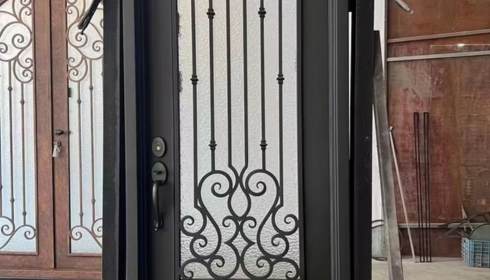
A beautifully designed single iron doors setup can feel just as impactful when it suits the scale of the house properly. Smaller entryways often benefit from restraint. A single iron door with subtle detailing, warm textured glass, or a clean arched top can create character without overwhelming the facade.
And for many homeowners, practicality matters too. Single-door systems are often easier to integrate into existing renovations without major structural changes.
There’s also something quietly charming about a well-designed single entrance. It feels grounded. Comfortable. Less performative.
Not every home needs to announce itself loudly.
Modern Homes Are Leaning Toward Simplicity
Architecture trends have shifted noticeably over the last decade. People seem drawn to cleaner spaces now — more natural light, fewer unnecessary details, softer transitions between indoor and outdoor living.
That design movement has influenced entry doors too.
You’ll see more homeowners exploring oversized glass panels, slim frames, and dramatic vertical lines. In modern builds especially, pivot doors have become increasingly popular because they create such a striking visual effect while still feeling understated.
Unlike traditional hinged doors, pivot systems rotate on a central axis, giving them a smoother, almost architectural motion. It’s hard to explain until you experience one in person. They feel substantial yet oddly effortless to open.
And visually, they make a statement without relying on decoration.
Some designs combine iron framing with wood accents or large uninterrupted glass panes, creating entrances that feel contemporary but still warm. That balance matters. Modern doesn’t have to mean sterile.
Durability Still Matters in Real Life
Of course, aesthetics only go so far if a door can’t handle daily life.
Kids slam doors. Weather changes constantly. Sun exposure fades finishes. Hardware wears down over time. Good entry doors need to survive all of that while still looking good years later.
That’s part of the long-term appeal of iron. Properly finished iron doors tend to age well, especially when paired with quality craftsmanship and weather-resistant coatings. They carry a sense of permanence that lightweight materials sometimes struggle to achieve.
And while trends come and go, iron rarely feels temporary.
That alone makes it appealing for homeowners thinking beyond quick cosmetic upgrades.
The Best Choice Usually Feels Natural
At the end of the day, the “right” front door isn’t necessarily the biggest or the most expensive one. It’s the one that feels connected to the house itself.
Some homes naturally suit dramatic double-door entrances. Others feel more authentic with a simple single iron design. Modern spaces may lean toward sleek pivot systems with clean lines and oversized glass.
There’s no universal formula for it.
But when the proportions, materials, and personality all line up, people notice — even if they can’t explain exactly why.
And maybe that’s the beauty of a thoughtfully chosen entry door. It doesn’t just protect a home. It quietly becomes part of its identity.